
Stock Market Game for Students: Running a Classroom Simulation

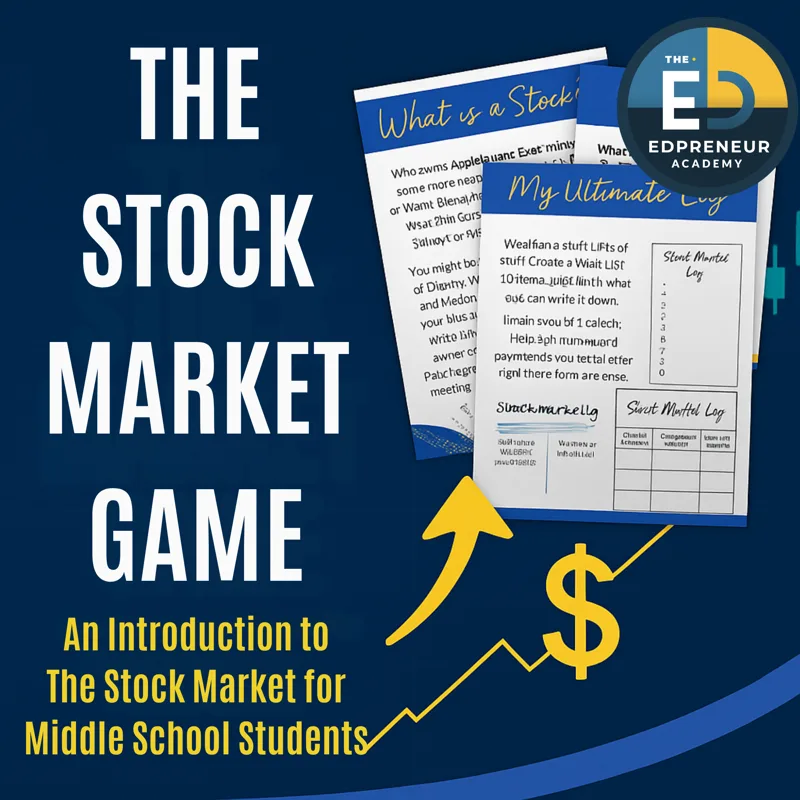
Looking for a stock market game for students that teaches more than checking who is winning? A stock market simulation can get their attention quickly. Keeping the learning clear takes a little planning. I would decide what students should be able to explain before deciding how long the game will run. Maybe it’s why they chose a company. Maybe it’s how a price change affects a portfolio. Start there, then let the game give you something concrete to discuss.
Before Trading Begins
Before trading begins, introduce the difference between buying a product and buying a share of a company. Students may recognize a brand without understanding what owning stock means. Use a simple example and let them explain it back in their own words.
Set the Rules in Writing
Set the rules in writing. Students need to know their pretend starting balance, which investments are allowed, when prices are recorded, and whether trading costs are included. Use the same rules for everyone so the results can be compared fairly.
Keep a Record of Every Trade
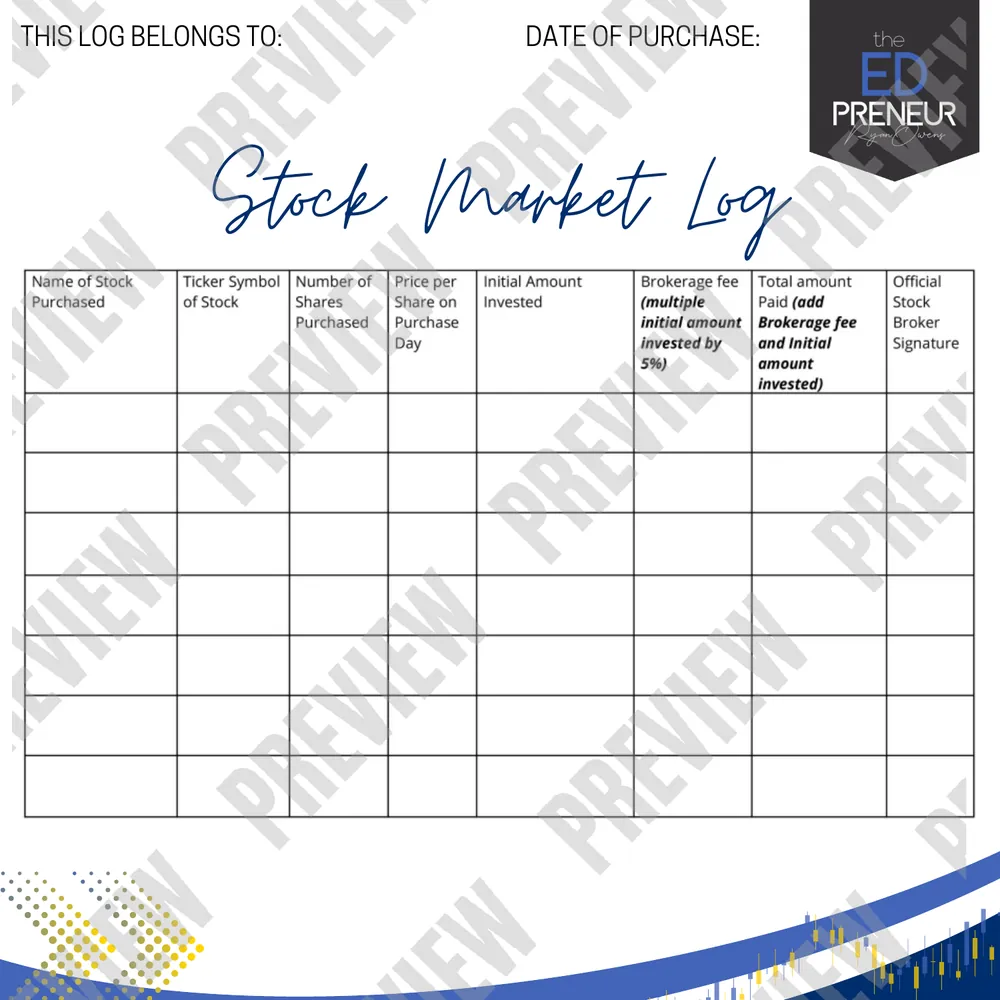
Keep a short record of each decision. Ask students to name the investment, record the price, and explain their reason for choosing it. “I know this brand” is a starting point. It shouldn’t be the whole explanation.
Use the Game to Teach Diversification
You can pause the game to compare two portfolios. One might hold several companies across different industries. Another might put nearly everything into one business. Ask students how each portfolio could respond to the same piece of news. Use that discussion to introduce diversification.
Don’t Make the Highest Balance the Only Goal
Be careful about making the highest balance the only measure of success. Over a short classroom game, a risky choice can happen to work out. That gives you something useful to discuss, but it doesn’t prove the student has found a reliable investing strategy.
Add Math Students Can Check by Hand
I would include a few calculations students can check by hand. What changed in value? What was the percentage gain or loss? How does the result compare with the starting amount? Choose numbers that match your students’ math experience.
Here’s a simple one to start with. A student buys 10 shares at $20 each. That’s $200. The price rises to $23, so the shares are now worth $230. That’s a $30 gain, or 15%. Then flip it. What if the price had dropped to $17 instead?
Wrap Up With Their Original Reasons
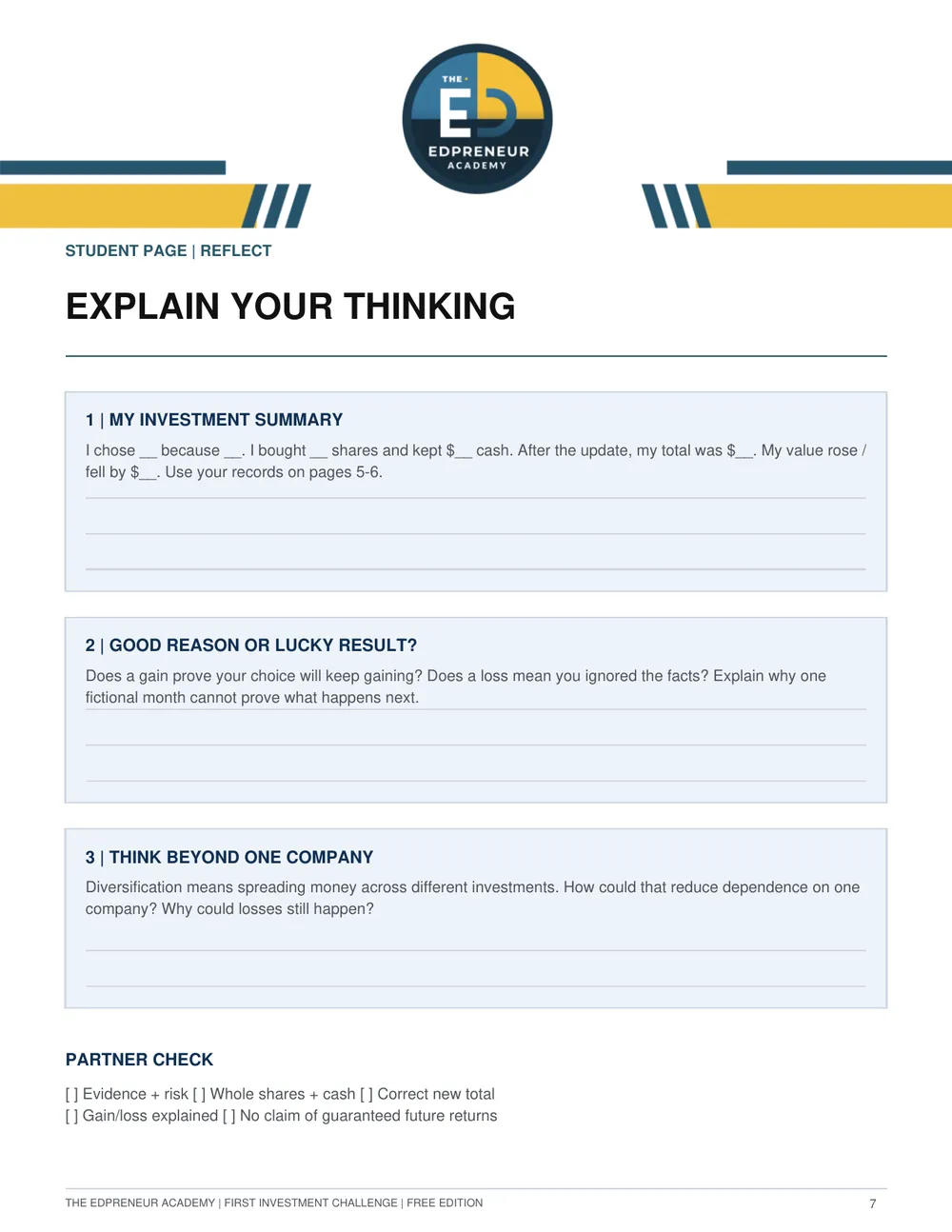
At the end, have students return to their original reasons. Which assumptions held up? Which decisions would they approach differently? Ask them to use their records, rather than only their memory of what happened.
The game is a classroom model, with simplified rules and a short timeline. Keep the conversation focused on understanding those choices and limits.
Stock Market Vocabulary to Introduce as You Go
Students don’t need every term on day one. I would introduce these as they come up in the game:
- Share: one small piece of ownership in a company
- Stock: shares of a company that can be bought and sold
- Portfolio: all of the investments a person holds
- Diversification: spreading money across different investments to lower risk
- Dividend: a payment some companies make to the people who own their shares
- Index fund: a fund that holds many companies at once, following a group like the S&P 500
- Gain or loss: the difference between what you paid and what the investment is worth now
Stock Market Game Discussion Questions
Use these during a pause in the game, or at the very end:
- Why did you pick your first company?
- What news changed the price of something you owned?
- Did you sell anything? Why?
- Would you pick the same companies again?
- How would your portfolio look if you had spread your money out more?
- What surprised you the most?
How Long Should a Classroom Stock Market Game Run?
Long enough for prices to change, but short enough to keep students focused. A few weeks is plenty for a classroom game. If you’re using a simulation with set price changes, it can run in a much shorter window. Pick a length, then plan your discussion pauses before you start.
Online Stock Market Game or Classroom Simulation?
There are plenty of free online stock market games with live prices. They can be a great fit. But they usually mean student accounts, and live prices can move in ways that are hard to discuss in one class period.
A classroom simulation keeps everyone on the same rules and the same news. That makes the conversation easier. Either one can work. Just decide what you want students to explain first, then pick the format that helps them do it.
Stock Market Game for Middle School vs. High School
For middle school, I would keep it small. A handful of companies, round numbers, and price changes you control. The goal is understanding what a share is and why prices move.
For high school, add more. Percent change, diversification, and a comparison with an index fund give older students more to explain.
Try a Free Stock Market Project
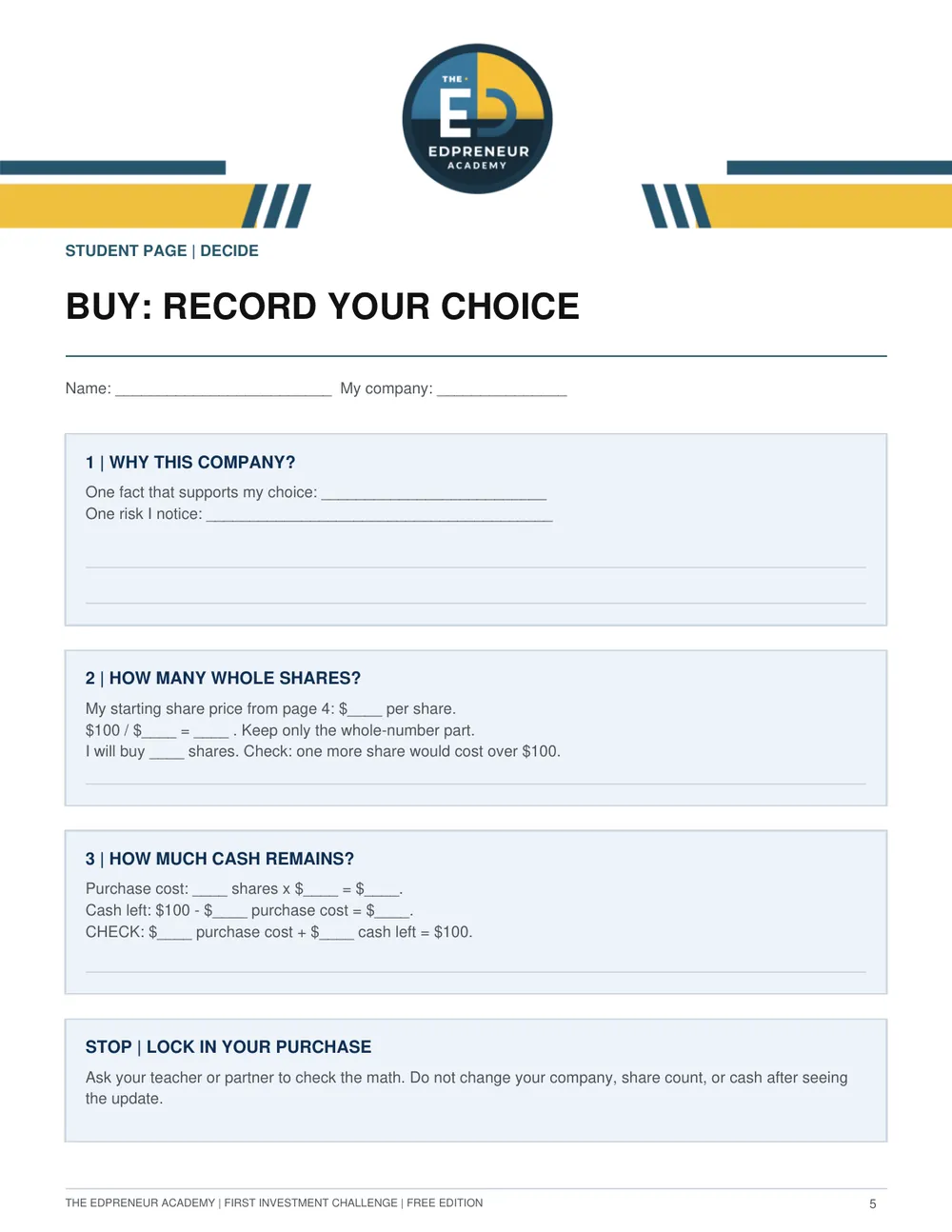
Want to test the idea before committing to a longer game? I have a free stock market project on TpT that introduces investing through a simple classroom simulation. It’s an easy way to see how your students respond.
Pick a simulation below and decide what you want students to explain.
Stock Market Game - Stock Market Simulation Game for Middle and High School
Grades: 6th-12th
- Economics
- Math
List price: $5.00
5 · 9 reviews
View on TpT
Stock Market Game Activity Bundle for NGPF and Financial Literacy Standards
Grades: 6th-12th
- Applied Math
- Economics
List price: $17.16
4.8 · 5 reviews
View on TpT
Free Stock Market Project | Middle School Investing Activity & Simulation
Grades: 6th-9th
- Business
- Economics
- Financial Literacy
List price: $0.00
View on TpT
Stock Market Game Introduction | Financial Literacy Activities for Middle School
Grades: 6th-9th
- Economics
- Other (Math)
List price: $5.67
View on TpT